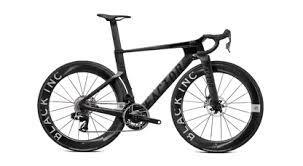
Factor One Frameset
$7 599.00
Sold out
Color
Size
Please choose
Sold out
Save this product for later
Factor One Frameset
Product Details
Brand: Factor
As of 4/15/26, we have two frames in stock:
1) 52cm Blush (Pink, Yellow, White)
2) 56cm Silverstone (Green & Silver)
THE Factor ONE. The fastest UCI legal road frame.
Just the facts:
- Frame weight ~1150g. Please keep in mind that size and paint choice will impact frame weight. Expect a ready-to-ride weight of ~17lbs.
- Threaded T47A Bottom Bracket.
- Tire clearance for 34mm (measured) tires.
- 54T max chainring. 160mm max brake rotor diameter on both front and rear.
- The stem/bar is proprietary for this bike. We have every size in stock. We have the best fit bike in the Southeast. We will determine what size you need and build it right the first time.
- This frame is built for electronic groupsets only.
- It comes with your choice of 0 or 30mm setback seatpost, both 7x7 and 7x9 saddle rail clamps, bottle cages, and a computer mount.
- Geometry on this bike is unique. Please see below for details.
The rest of the story:
The Factor ONE is the bike for cyclists who chase every watt and want to go as fast as possible. It is what a race bike should look like and be in 2026.
Let's talk about wind tunnel results and geometry:
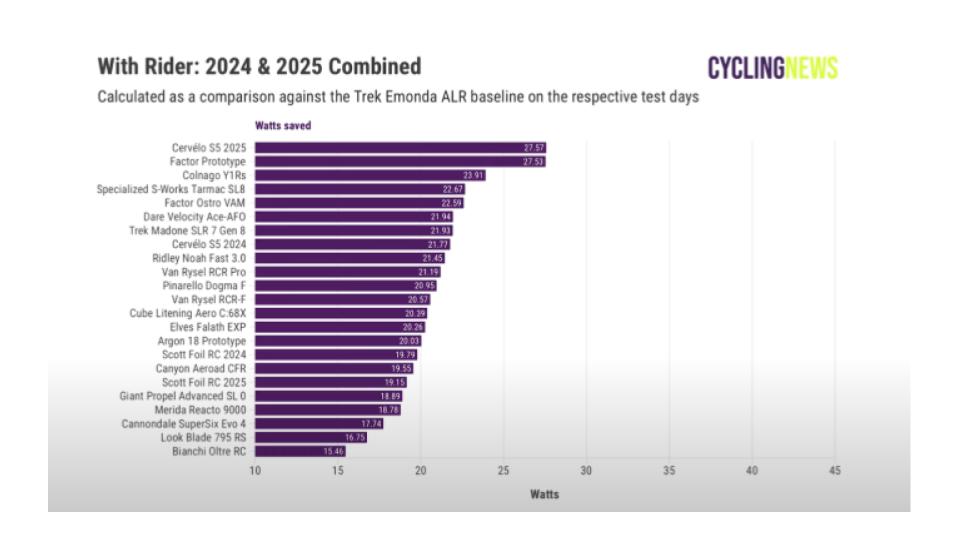
When we review aerodynamic data, we prefer independent test results. The one above is taken from CyclingNews. We like this because it was done with a rider on the bike, which we feel best replicates the real world.
Looking at the data above, you can see that the Cervelo S5 (2025) and Factor ONE are the two fastest bikes. They are both ~3.6w faster than the Colnago Y1RS and ~5w faster than the Specialized Tarmac SL8 and Factor Ostro VAM.
We must remember that the above test was done with the rider in the same relative position, which makes sense, but isn't what will happen in reality.
Let's take a closer look at the stack and reach of these bikes:
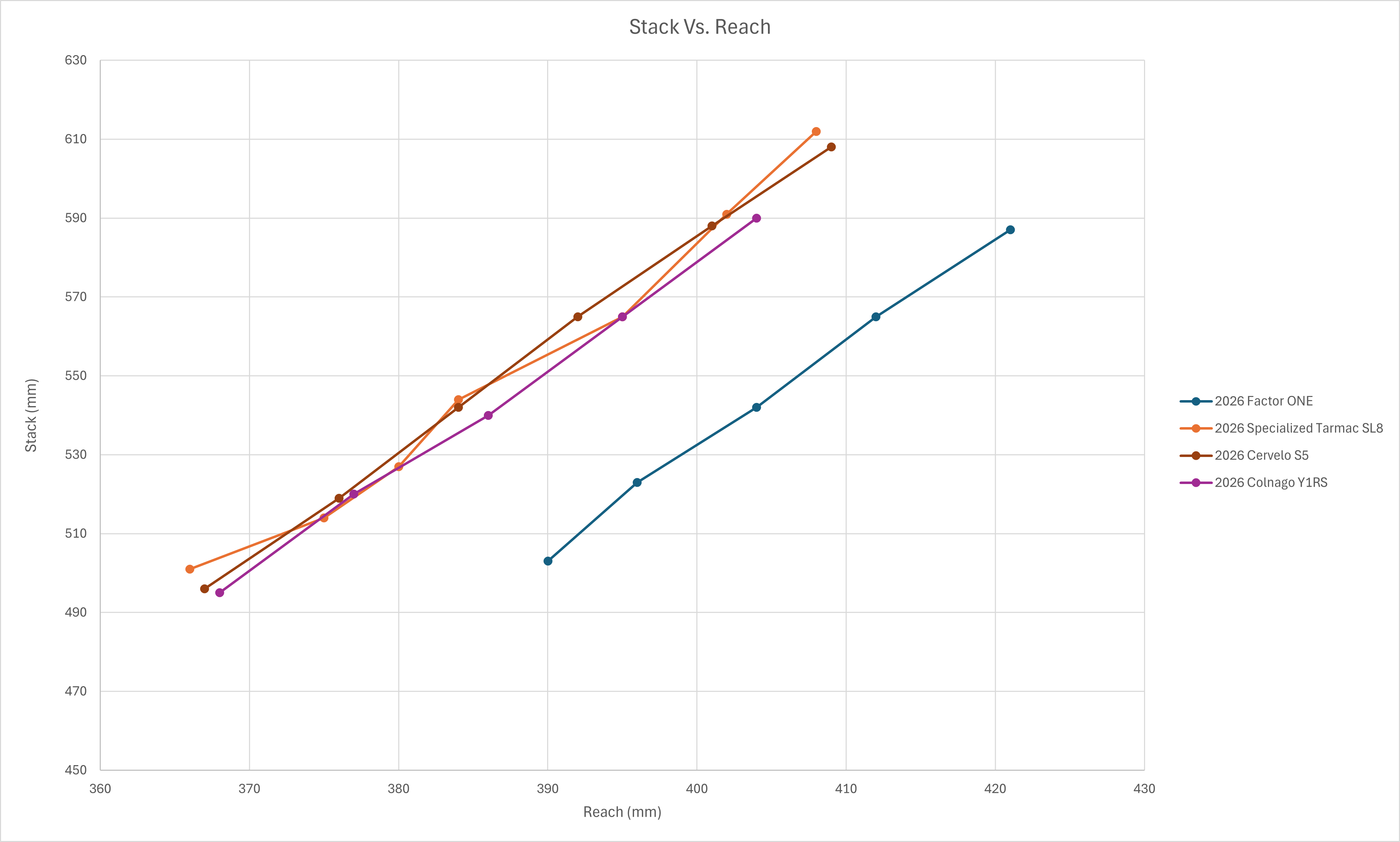
As shown above, The Factor ONE is not like the others. This is because Factor fully intends for the rider to rotate around the bottom bracket and encourages this in two ways: a steeper seat tube angle and longer reach. They do this because it is faster. Moving forward opens the hip angle, allowing the rider to ride with a lower handlebar. This significantly lowers the frontal area, and when you are trying to go 30mph, this makes a huge difference. When you do this, you need a longer reach, and this frame provides it.
Last year, we put over 50 riders on shorter cranks. There are many reasons we like shorter cranks, but if the rider's goal is to go as fast as possible, a shorter crank opens up the hip angle, allowing the bars to go lower without losing power. Our fit bike shows force generation around the pedal stroke on each side, so as we lower the handlebars, we can see in real time how this impacts force generation at and near the top of the pedal stroke. We do not guess; we measure and make decisions based on data.
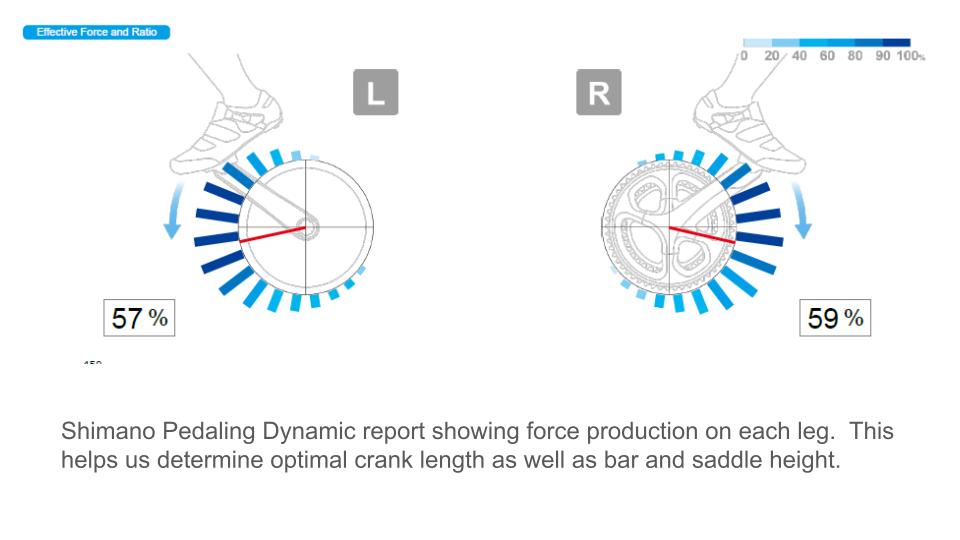
When shorter cranks are installed on the Factor ONE, you can get incredibly low without sacrificing power. This is where the magic happens with this frame.
Remember when Dylan Johnson went to the wind tunnel and tested all kinds of different things? We do, and we summarized it here:
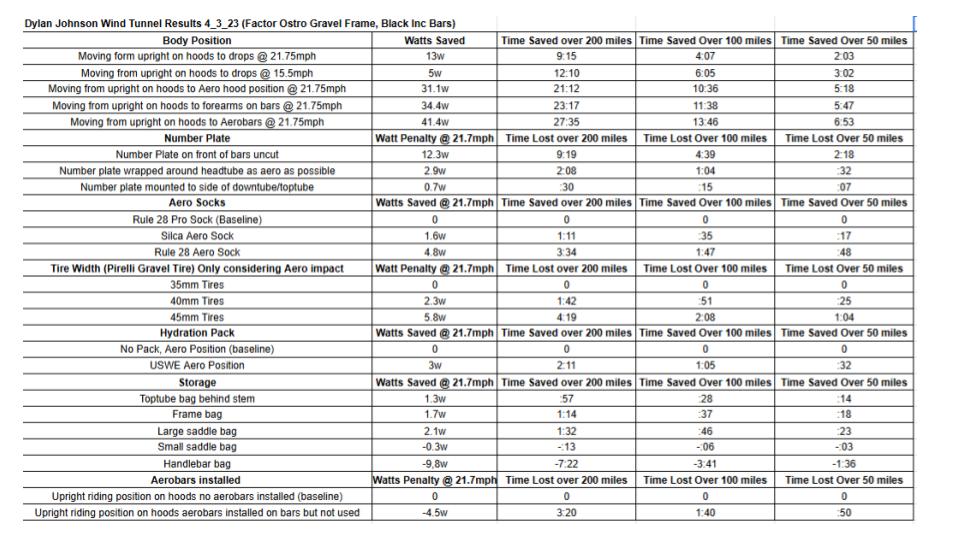
Let's say that you pick up 10w with the frame and a very conservative 10w with position improvement. At 21.7mph, that 20w is worth 3+ minutes over 50 miles! Depending on your current position and frame, you could see significantly higher gains resulting in much larger time savings. That 5ish-watt difference between the Factor and the Specialized is worth almost 1 minute over 50 miles.
Why would we pick a Factor over the Cervelo S5? The first and most important reason is rider position. As shown above, the Cervelo uses a more traditional seat tube angle and reach. This will not allow the rider to open up their hip angle and get as low as they could.
We do not like press-fit bottom brackets. We have installed and removed many of them, and we just don't like them. They are prone to making noise, and removal can often be difficult, depending on tolerances and if a retaining compound was used. The Cervelo uses a press-fit bottom bracket, and the Factor uses a threaded T47A.
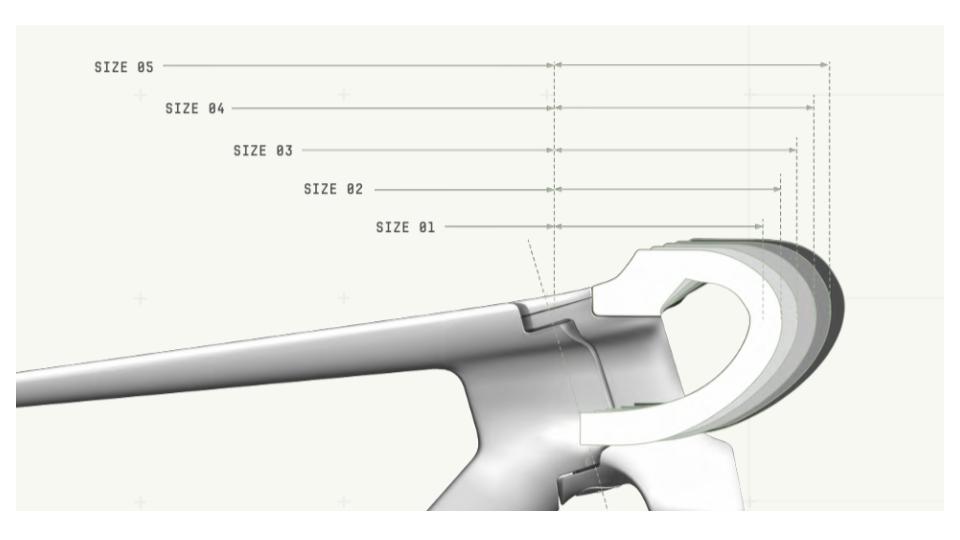
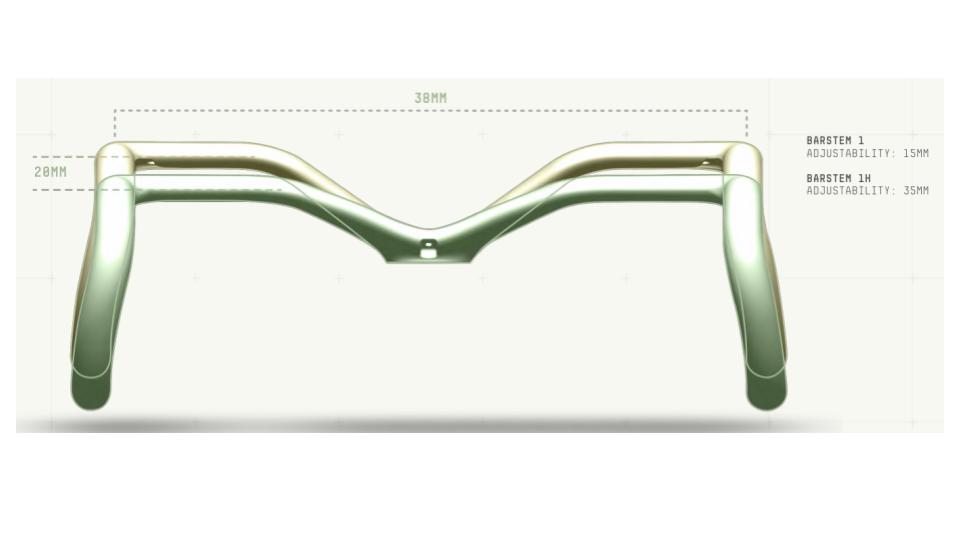
For the 2026 Factor ONE, there are 5 different lengths made, but only one width - 38cm. The bar has a reach of 75mm and a drop of 120mm. We stock all 5 bars, but based on our experience, you will end up on size 4 or 5. The longer reach of these bars will allow you to move the saddle further forward on the rails while still maintaining proper reach. This will allow your hip angle to remain open and your bars to be as low as possible:
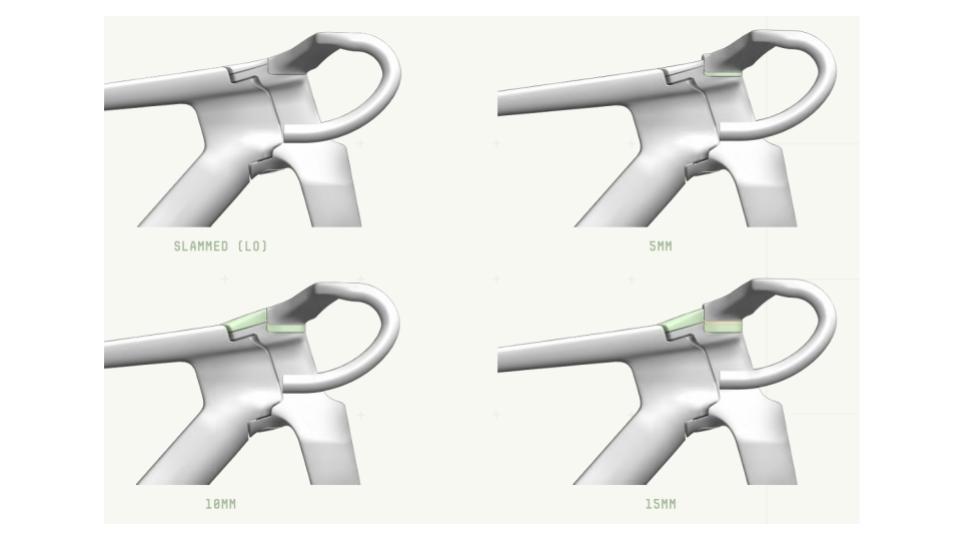
You can fit up to 15mm of spacers under the stem to increase stack, and if needed, you can use a bar with more rise as well:
Seatposts: The Factor ONE offers two seatpost options: 0 offset and 30mm offset. We see no reason why you would need the 30mm offset seatpost unless you have exceptionally long femurs.
Fit: We agree with Factor that if you are normally size "X" in any other Factor road bike, you would be that same size on the Factor ONE. We would love to discuss optimal crank length, seatpost setback, and reach to help you find a comfortable, powerful position.
The main argument against the Factor ONE is the weight. The 2026 Factor ONE will weigh 17ish pounds when ready to ride. Let's assume it is about 2lbs heavier than the Specialized Tarmac SL8 for this discussion.
Hot Doggett is a ride we do every year in North Carolina. It is 100 miles with ~9,000ft of elevation gain. Our goal is to ride it in under 5 hours, and as of this writing (February, 2026), we have not done it:
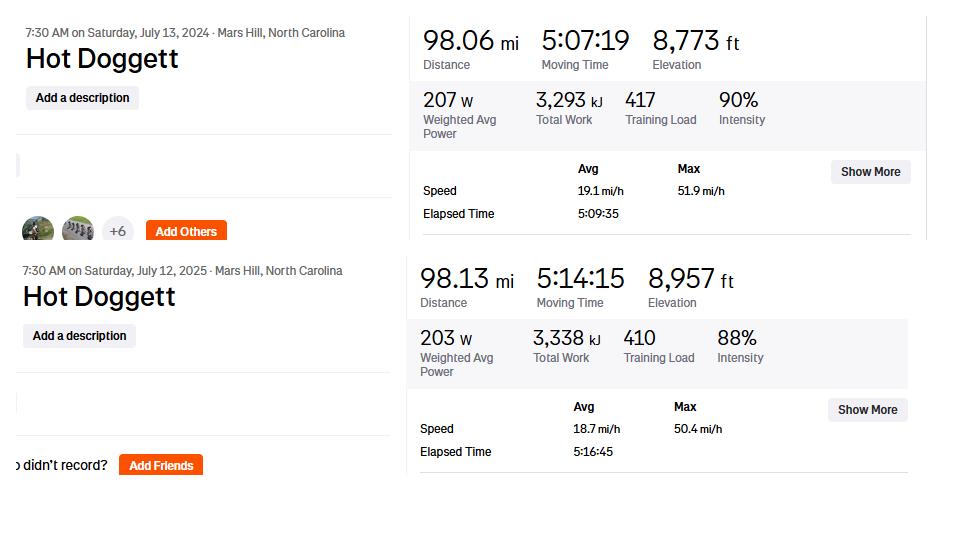
2024 was done on a TriRig Time Trial bike that is NOT light. 2025 was done on an ENVE Melee, which was ~4lbs lighter. As shown, power output was 4 watts lower in 2025, accounting for ~2 minutes of the 7-minute difference between 2024 and 2025. Where are the other 5 minutes? How could a rider be that much slower on a bike that was 4lbs lighter, given similar power output and weather conditions?
As shown above, being more aerodynamic matters. This example shows that it matters more than weight. The Melee is not particularly aero, giving up ~20w to the Factor ONE and very close to the same as a rider on a dedicated TT bike. That 20w equals about 6 minutes over 100 miles at 21.7 mph.
If the total ride time for Hot Doggett is 5 hours, ~3.5 hours of that time is NOT spent climbing. It is descending and riding through the valleys. This is exactly why we will be at Hot Doggett this year on a Factor ONE. We need to find 7 minutes. Every watt counts.
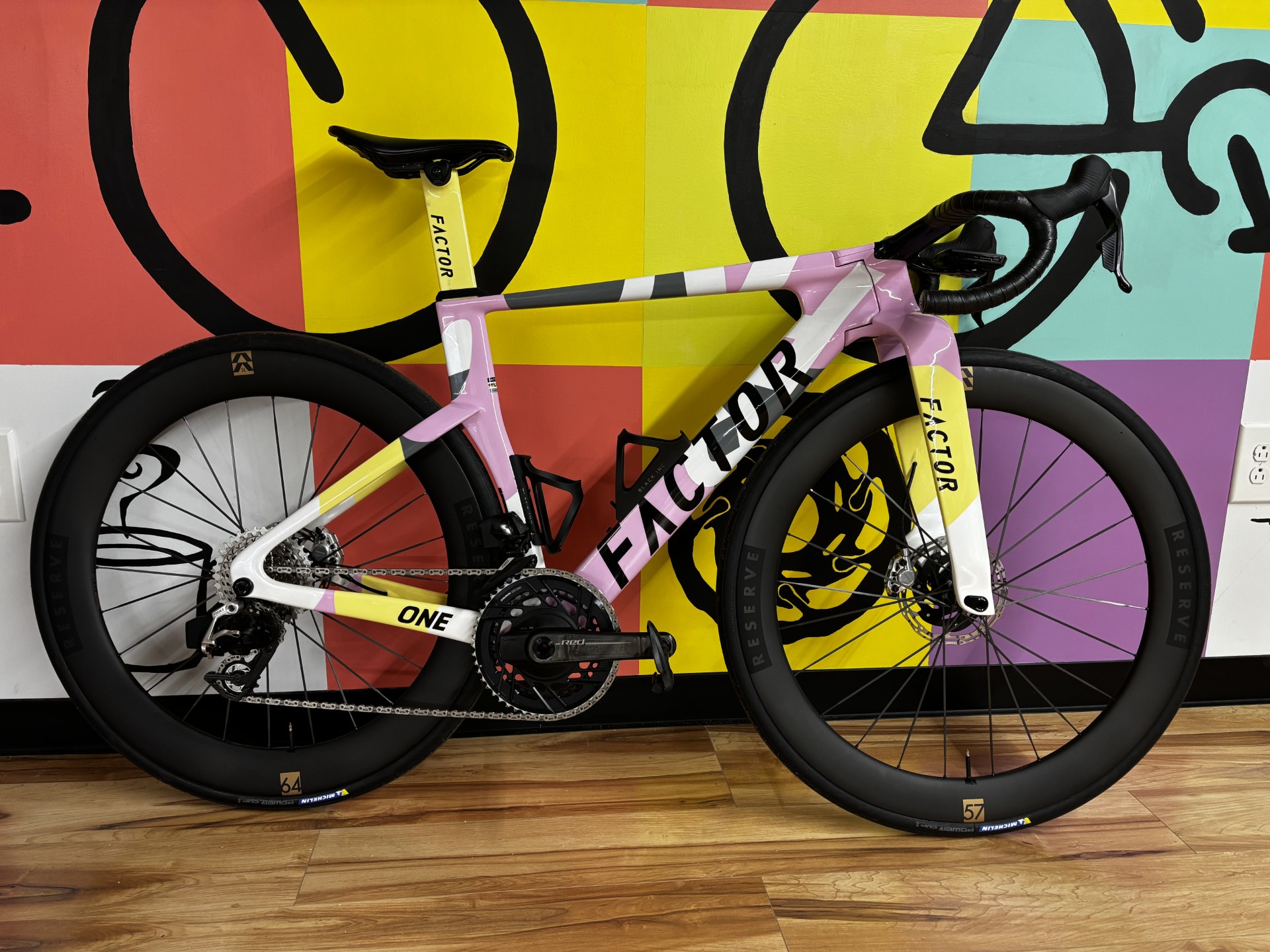
How did we build ours? Our 52cm Demo bike is built with the longest stem/bar, and full Sram Red with power meter and 37/50 rings on 160mm arms. We used a 10-36 cassette and the new Reserve Aero 57/64 SL wheels that use Tune hubs. It likes to go fast. Please come take it for a ride! We can see Paris Mountain from our front door, and it is a great place to test this bike.
Call, text, or email anytime.
864-363-7399
Jeff@velovalets.com
Powered by Lightspeed
Display prices in:USD